Loading Cremyll Ferry times…

The history of Plymouth pubs and lost locals

Plymouth’s pubs have always been more than places to drink. They were meeting points for dockyard workers, servicemen, travellers, families, football supporters, and entire neighbourhoods built around them.

Some stood for centuries before being demolished for road widening or redevelopment, while others evolved alongside the city as new estates and communities appeared. From small ale houses tucked into back streets to busy waterfront inns and post war estate pubs, each one reflects a different chapter in Plymouth’s social history.

Many of the buildings have now vanished, but the stories connected to them still survive through photographs, records, and local memory.

These images come from a preserved scan within Chris Robinson’s archive, sympathetically enhanced to reveal its original detail without losing its character.

Chris Robinson’s work remains a vital record of Plymouth’s pub history, shared with his kind permission.

Charlotte Street Ale Store

The Charlotte Street Ale and Porter House stood at number 32 Charlotte Street and dated back to the early nineteenth century, serving one of Plymouth’s busiest residential and commercial areas. Although its official name reflected the street itself, locals came to know it far more affectionately as Smokey or Smokey Joe’s, a nickname that stayed with the pub through much of its life.

The Sloggett family ran the pub for decades during the nineteenth century, helping establish it as a long standing local fixture before later licensees carried it through the post war years. It eventually closed and was demolished in 1958, with the site later becoming home to The Albert, continuing the location’s long connection to Plymouth pub history.

The Albemarle

The Albemarle stands on land once forming part of the ancient manor of Whitleigh, an area whose agricultural layout changed very little for centuries after the Norman Conquest. Although the pub itself is modern in comparison to many Plymouth locals, its name reaches back to Robert d’Albermarle, a Norman lord connected to the area during the medieval period.

Over time the surrounding farmland gave way to large scale residential development as Plymouth expanded during the twentieth century. The Albemarle became part of that growing community while still carrying a name tied to much older layers of local history, linking modern Whitleigh with its medieval past.

The Castle

The Castle was a long established Plymouth pub with records dating back to at least the mid nineteenth century, when it was already operating as the Castle Wine and Spirit Vaults and Bowling Alley. Although the exact origins of the building are unclear, the pub became a familiar part of the local streetscape through generations of licensees including the Yeo and Eden families.

Unlike many pubs carrying the same name, The Castle does not appear to have been directly linked to a nearby fortress or fortification. Instead, the name may have reflected the old idea of a home being “a man’s castle”, fitting the pub’s solid and self contained appearance within the surrounding streets of Plymouth.

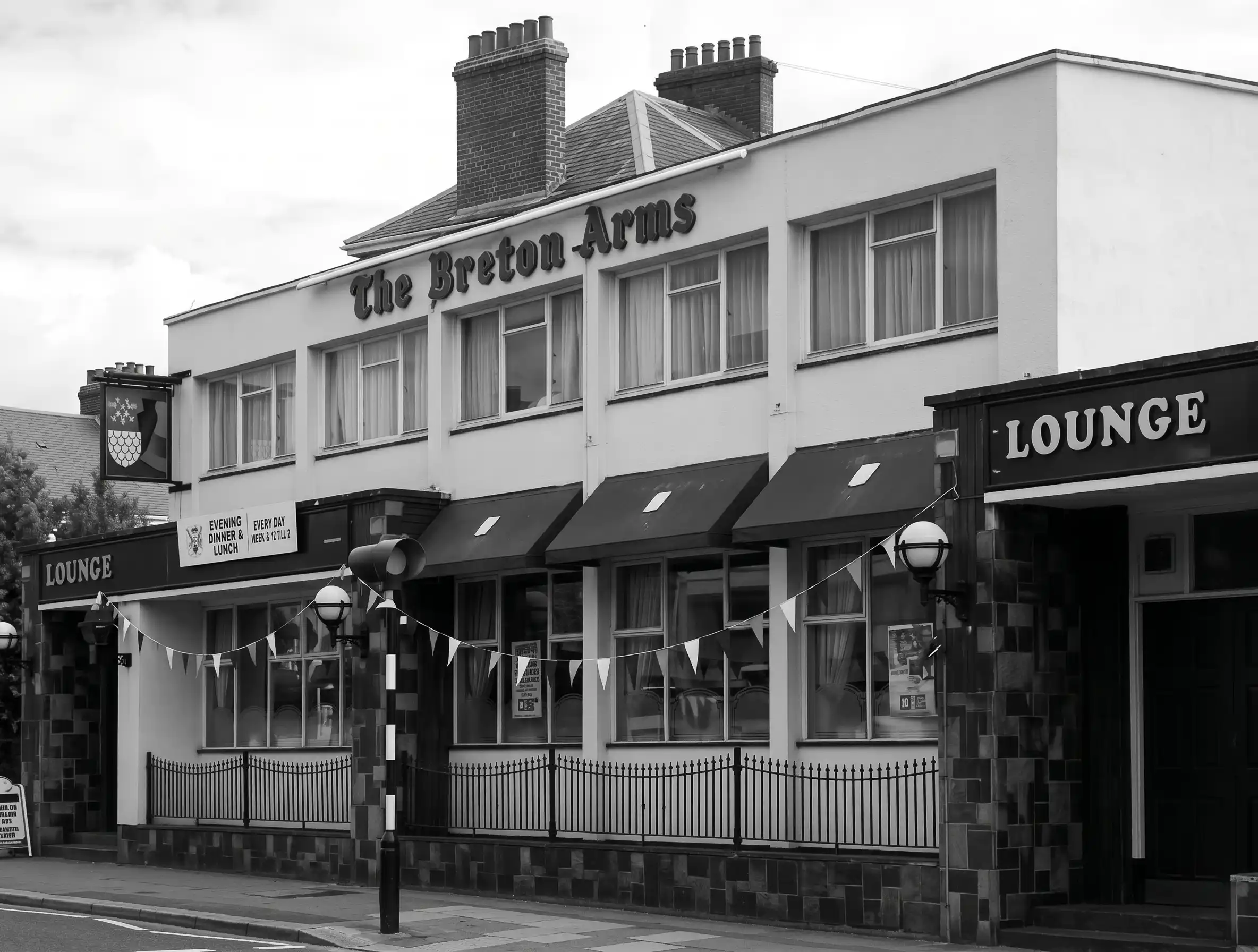
The Breton Arms

The Breton Arms was built in post war Plymouth on land heavily reshaped by redevelopment following the Blitz. Although the pub itself was modern, its name reached back to the Breton raids on Plymouth during the fourteenth and early fifteenth centuries, particularly the devastating attack of 1403 which caused widespread destruction across the town.

Its position placed it within a completely transformed part of the city centre where old streets and historic routes had been rebuilt after wartime damage. Over time the pub became a familiar part of Plymouth’s nightlife before eventually being redeveloped again during the 1990s as changing tastes and city centre investment altered the character of the area once more.

Barnstaple Inn

The Barnstaple Inn stood on Princes Street, formerly known as Princess Street, in an area of Plymouth that has since been heavily reshaped by modern redevelopment and road construction. Positioned near Marlborough Street, the pub served generations of locals through the nineteenth and early twentieth centuries as the surrounding streets evolved around it.

Long serving licensees including Richard Mackay, John Warren, and later Ethel Philips helped establish the pub as a steady part of the local community for many decades. The Barnstaple Inn eventually disappeared during redevelopment in the late 1950s, with much of the original street layout later absorbed into what became Granby Way.

The Cherry Tree

The Cherry Tree first appeared in Plymouth records in 1937, built to serve the growing residential communities developing around Pennycross during the early twentieth century. Unlike many of Plymouth’s older pubs, it belonged to a newer generation of locals shaped by expanding housing estates and changing social life beyond the historic city centre and dockyard districts.

Its location placed it close to Pennycross Stadium, which became well known for greyhound racing, speedway, and stock car events, bringing a lively atmosphere to the area for many years. The pub also had strong links to Plymouth Argyle through early licensee Fred Titmuss, who had previously played for the club before moving into pub life.

The Clifton

The Clifton became part of Plymouth during the rapid expansion of the North Hill area in the 1860s, as new streets including Clifton Place and Clifton Street were laid out around it. Over the years it developed into a well established local pub, shaped by long serving licensees such as the Chilcott and Farmer families who helped give the pub a strong sense of continuity within the growing neighbourhood.

One of the most unusual parts of the pub’s history came during the 1990s, when several regulars won large National Lottery prizes in separate draws, turning the Clifton into something of a local legend. Despite the attention that brought, it remained at heart a traditional Plymouth local closely tied to the community around North Hill.

Barley Sheaf

The Barley Sheaf stood on the corner of King Street and Cambridge Street in the northern part of Plymouth’s old town centre, in an area later absorbed into the development of New George Street and the modern shopping district. Earlier records show it operating as the Barley Mow during the mid nineteenth century before later becoming known as the Old Barley Sheaf as the surrounding streets evolved around it.

Its name came from one of the oldest symbols associated with brewing and ale houses, with a sheaf of barley traditionally used to show that beer was sold there. The pub survived until 1957, after which its licence was transferred to a newly built replacement nearby, allowing the Barley Sheaf name to continue for a time even after the original building had disappeared.

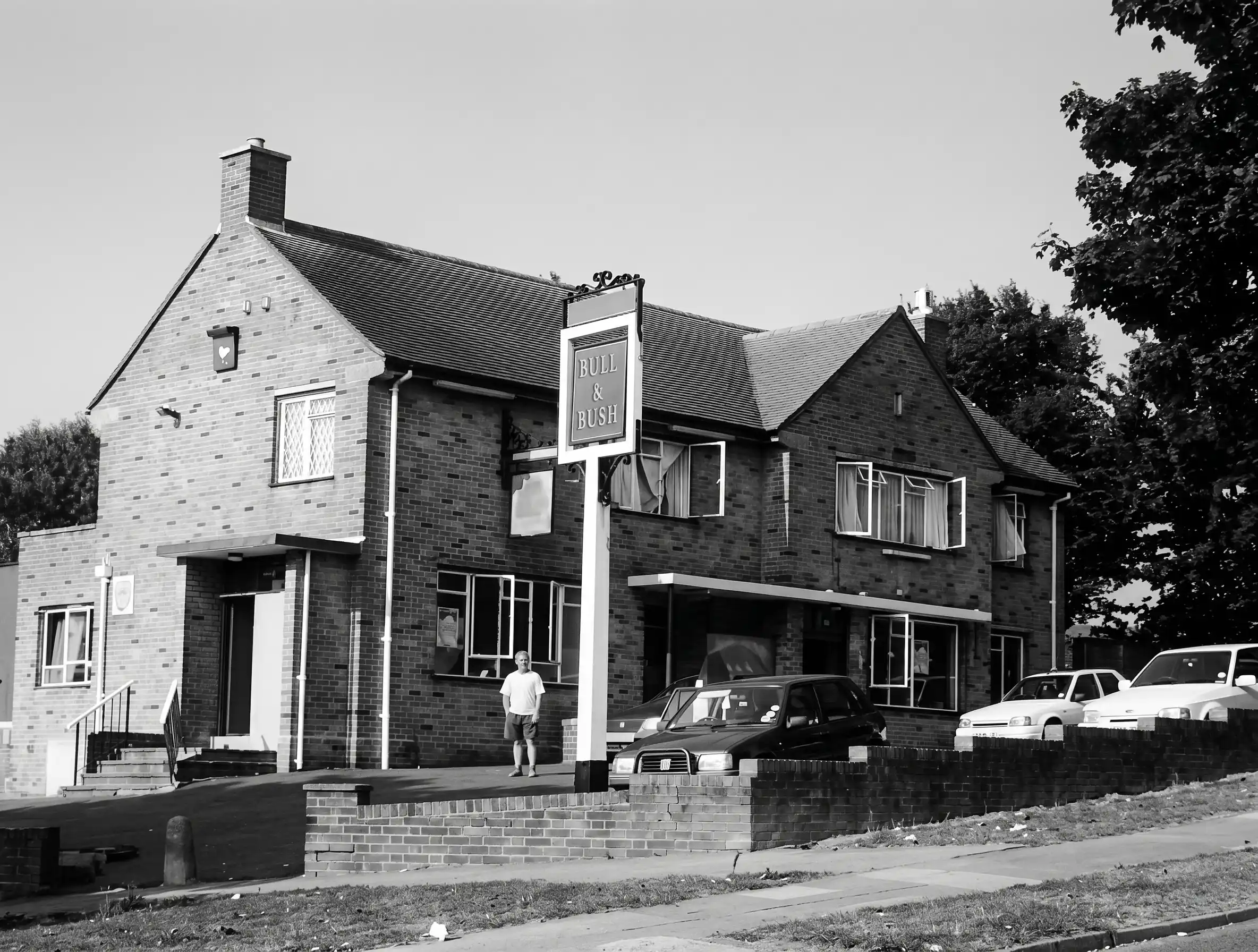
Bull & Bush

The Bull and Bush in Ernesettle was built during the late 1950s as part of the large post war housing developments spreading across the area. Although the building itself was relatively modern, the name drew from much older pub traditions, with “Bull” being one of the oldest and most recognisable pub names in Britain and “Bush” referencing the old practice of hanging a bush or vine outside premises selling ale.

Despite its traditional sounding name, the pub also had strong local connections to the nearby Bush Radio factory, where many residents of the estate worked during the mid twentieth century. The Bull and Bush quickly became part of everyday life in Ernesettle, serving a growing community shaped by post war Plymouth and the industries surrounding it.

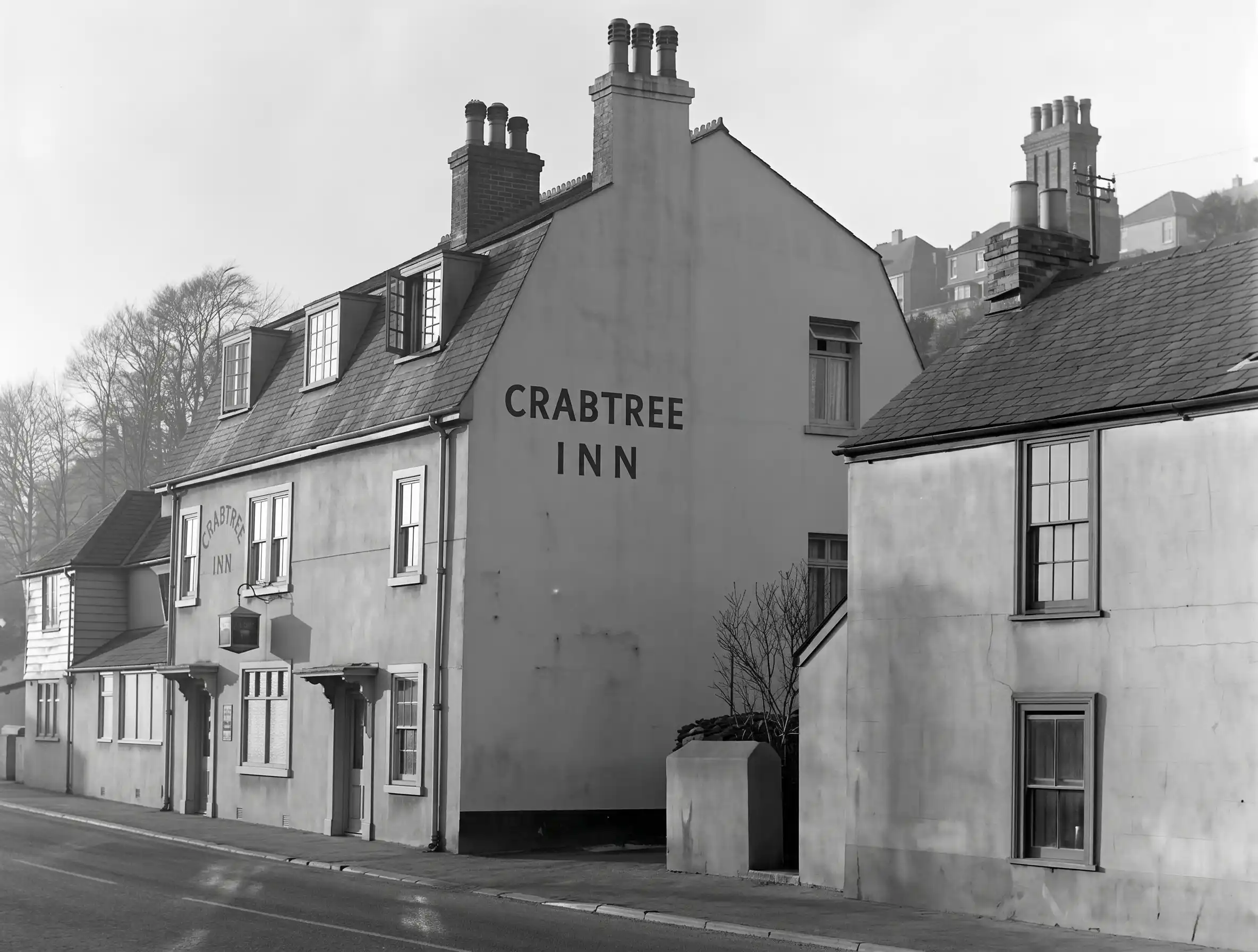
Crabtree Inn

The Crabtree Inn stood on the old London Road near the historic crossing point known as Ebb Ford, close to where travellers once crossed the River Plym before the construction of Longbridge. Its position also placed it opposite the Lee Moor tramway and near the route towards Laira Battery and Efford Fort, making it an important stopping point in a busy transport corridor.

Considered one of Plymouth’s oldest public houses, the Crabtree Inn served generations of travellers and locals before being demolished in 1971 during major road widening works for the new dual carriageway. Along with the neighbouring cottages, the pub disappeared as the surrounding landscape was reshaped for modern traffic infrastructure.

The Abbey

The Abbey stood on St Andrew Street on one of the oldest known inn sites in Plymouth, occupying ground with centuries of history behind it. Built after the demolition of the Turk’s Head in 1861, the pub took its name from nearby Prysten House, which was once mistakenly believed to have been an abbey, giving the area and the pub their long standing identity.

Over the years the Abbey became firmly woven into the life of the city centre, eventually entering a new chapter in 1994 when it reopened as Kitty O’Hanlons, Plymouth’s first Irish pub. Despite the changes, the building retained its strong connection to the surrounding streets and the long pub history of St Andrew Street.

Black Prince

The Black Prince began life as the Laira Hotel in 1868, standing in what was then a far more rural part of Plymouth surrounded largely by open fields. At the time there was little development nearby and even the railway had not yet arrived, placing the pub on the edge of a city that was still steadily expanding outwards.

It kept the Laira Hotel name for more than a century before becoming the Black Prince in 1981, taking inspiration from Edward, the Black Prince, who had historical links to Plymouth during the fourteenth century. He is also connected to some of the earliest recorded shipbuilding activity in the city, giving the pub’s later name a strong connection to Plymouth’s maritime and medieval history.

Artillery Arms

The Artillery Arms in Stonehouse stood beside the Royal Marine Barracks and became closely tied to the military life of the surrounding area. For generations it served soldiers, dockyard workers, and locals moving through one of Plymouth’s busiest naval districts, with its position placing it right at the centre of daily activity connected to the barracks and nearby waterfront.

The pub also stood out for the number of female licensees who ran it over the years, including Eliza Partridge who remained there from the First World War through to 1939. Both the building and its boundary wall were already considered old by the late nineteenth century, helping make the Artillery Arms one of the enduring historic pubs of Stonehouse.

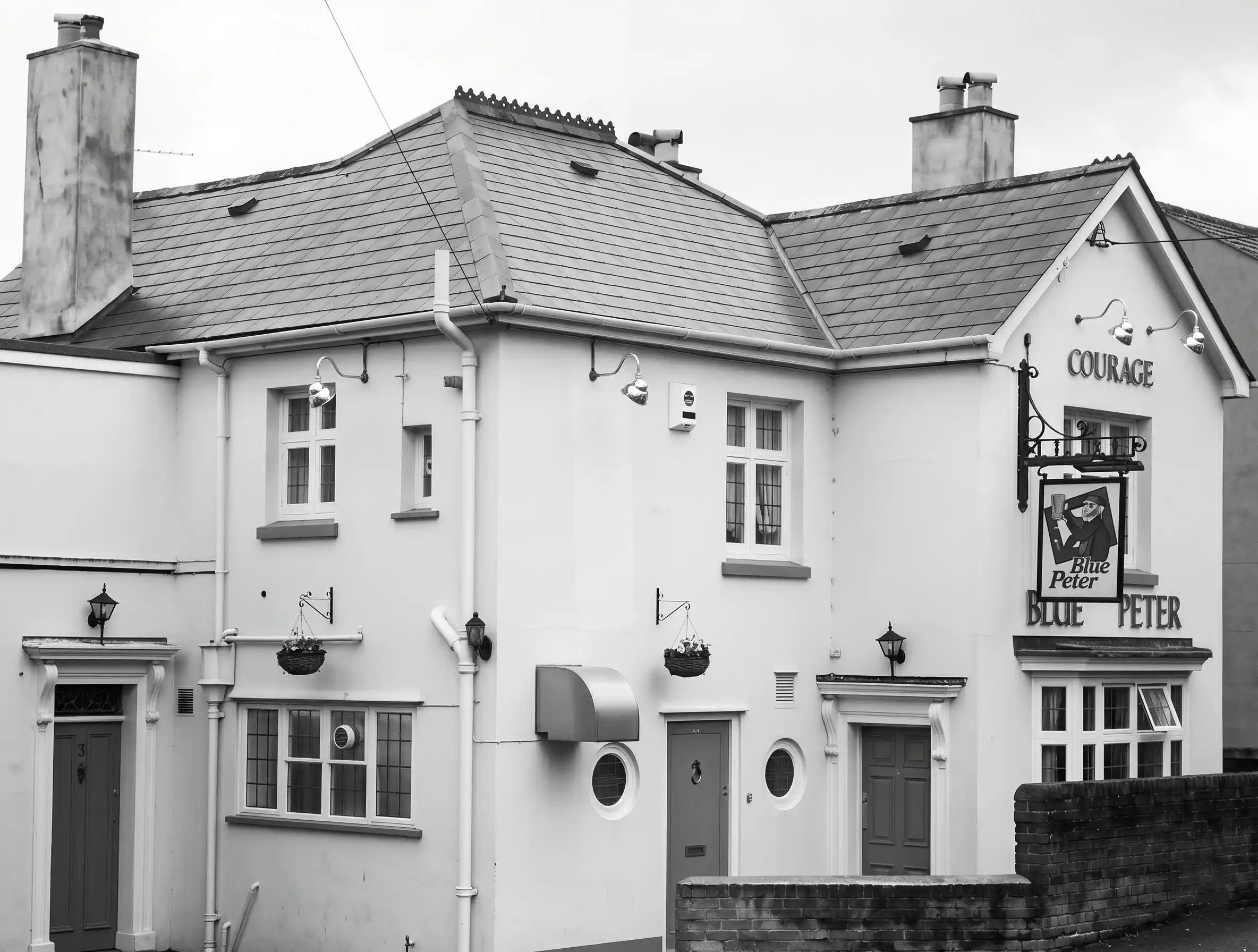
Blue Peter

The Blue Peter on Pomphlett Road took its name from the famous naval signal flag raised before a ship leaves harbour, making it a fitting choice for a Plymouth pub shaped by the city’s maritime identity. The blue flag with its distinctive white square appeared on the pub sign and connected the local directly to the long naval traditions of the waterfront and dockyard.

The name also carried links beyond the sea, with one of the earlier pub signs believed to feature the racehorse Blue Peter, winner of the 1939 Derby. Over time the pub became a well known local in the Pomphlett area, with its name continuing to reflect Plymouth’s strong relationship with ships, sailing, and life connected to the water.

The Avondale

The Avondale stood on Keyham Road directly opposite the gates of Keyham Yard, placing it at the heart of one of Plymouth’s busiest working communities. Originally known as the Sportsman Arms, the pub later adopted the Avondale name, thought to be linked to a Scottish Duke associated with workers from the dockyard and naval industries nearby.

One of the most striking parts of its history was the remarkable stability behind the bar, with fewer than ten licensees running the pub across nearly 150 years. Arthur Squire, who became landlord in 1950, went on to become one of the longest serving publicans connected to a single Plymouth pub, helping cement the Avondale as a long standing fixture of the Keyham area.

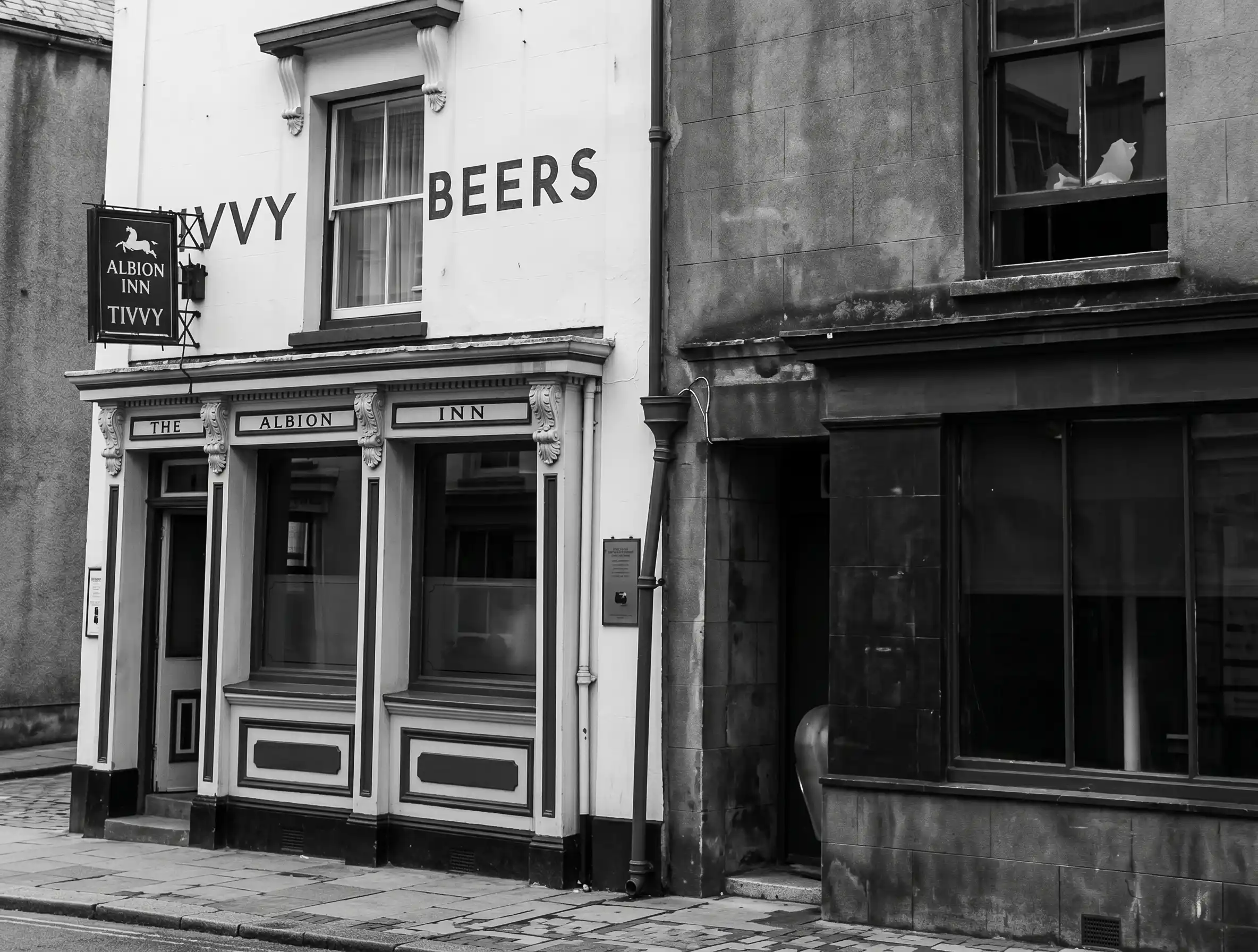
Albion Inn

The Albion Inn once stood on Pembroke Street in Devonport, in an area that was once packed with pubs serving the surrounding community and dockyard workers. Positioned near the junction with Canterbury Street, it formed part of a lively stretch where public houses were woven tightly into everyday life during the nineteenth and early twentieth centuries.

Its name came from Albion, one of the oldest poetic names for Britain, traditionally linked to the white cliffs along the southern coast. The pub survived well into the post war years before eventually disappearing during redevelopment, with flats later built on the site as the surrounding streetscape changed completely.

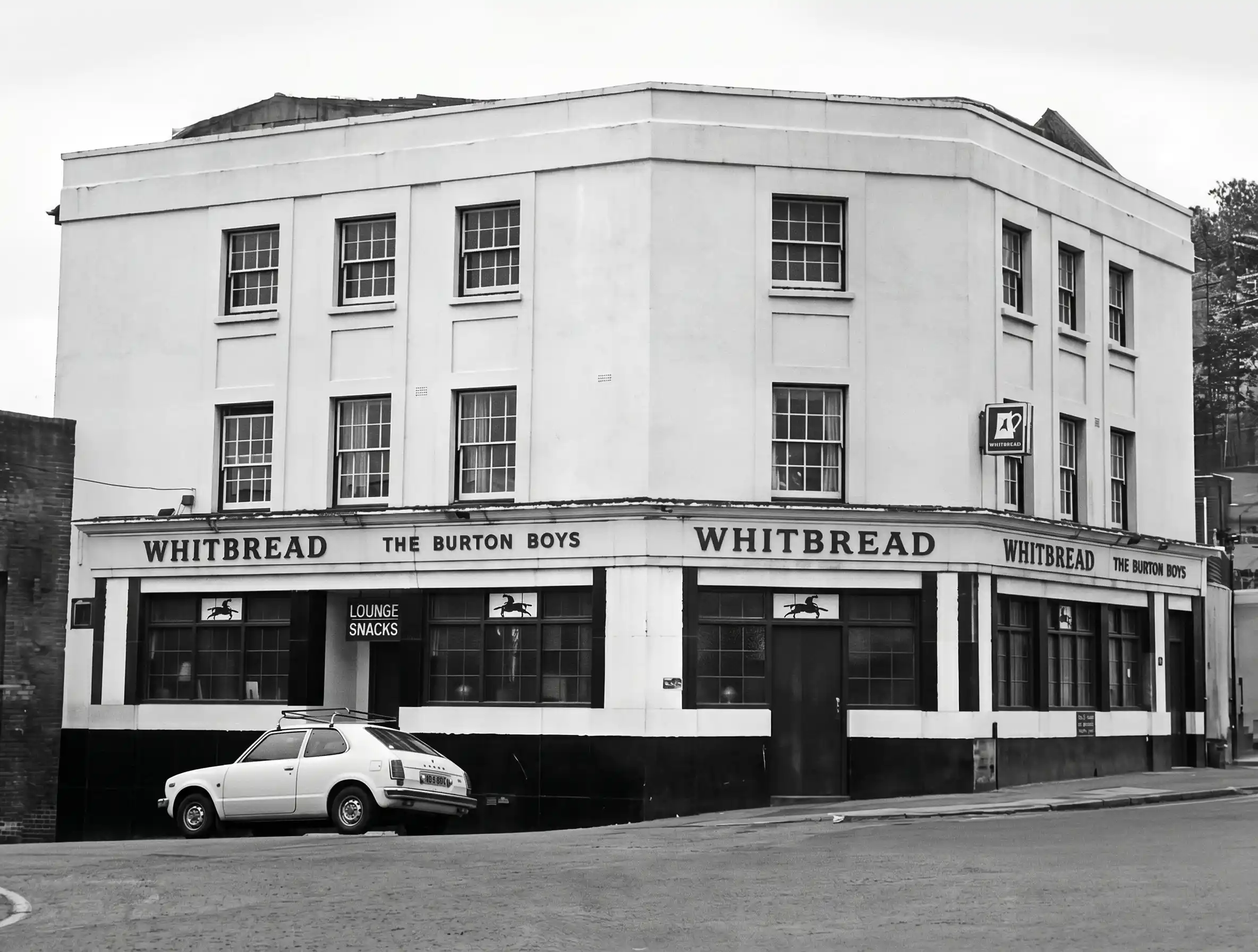
Burton Boys

The Burton Boys stood on Exeter Street near Sutton Road and had roots stretching back to its earlier days as an ale house, where white ale was once brewed on site by James Mitchell. The pub’s unusual name is believed to have evolved from “Breton Boys”, linked to historic commemorations of the Breton raids on Plymouth and the old Freedom Fighting traditions once associated with the area.

Over the years it became a well established local with remarkably few changes in ownership, remaining in the hands of only two families across much of its later history. The pub was eventually demolished in 1981 during major road redevelopment works, disappearing to make way for changes to the city’s highway system.

Barley Sheaf

The Barley Sheaf stood at the entrance to Devonport Market where Catherine Street met Market Street and Duke Street, placing it right in the middle of one of the busiest parts of old Devonport. It was considered one of the town’s oldest public houses, with records showing Elizabeth Hancock holding the licence during the Napoleonic Wars, when the dockyard and surrounding streets were thriving with activity.

Its name came from one of the oldest traditions in pub history, with a sheaf of barley once used as a simple sign to show that ale was available. The pub survived for generations before eventually closing after the Second World War, with the building later disappearing as the dockyard expanded and reshaped the surrounding area.

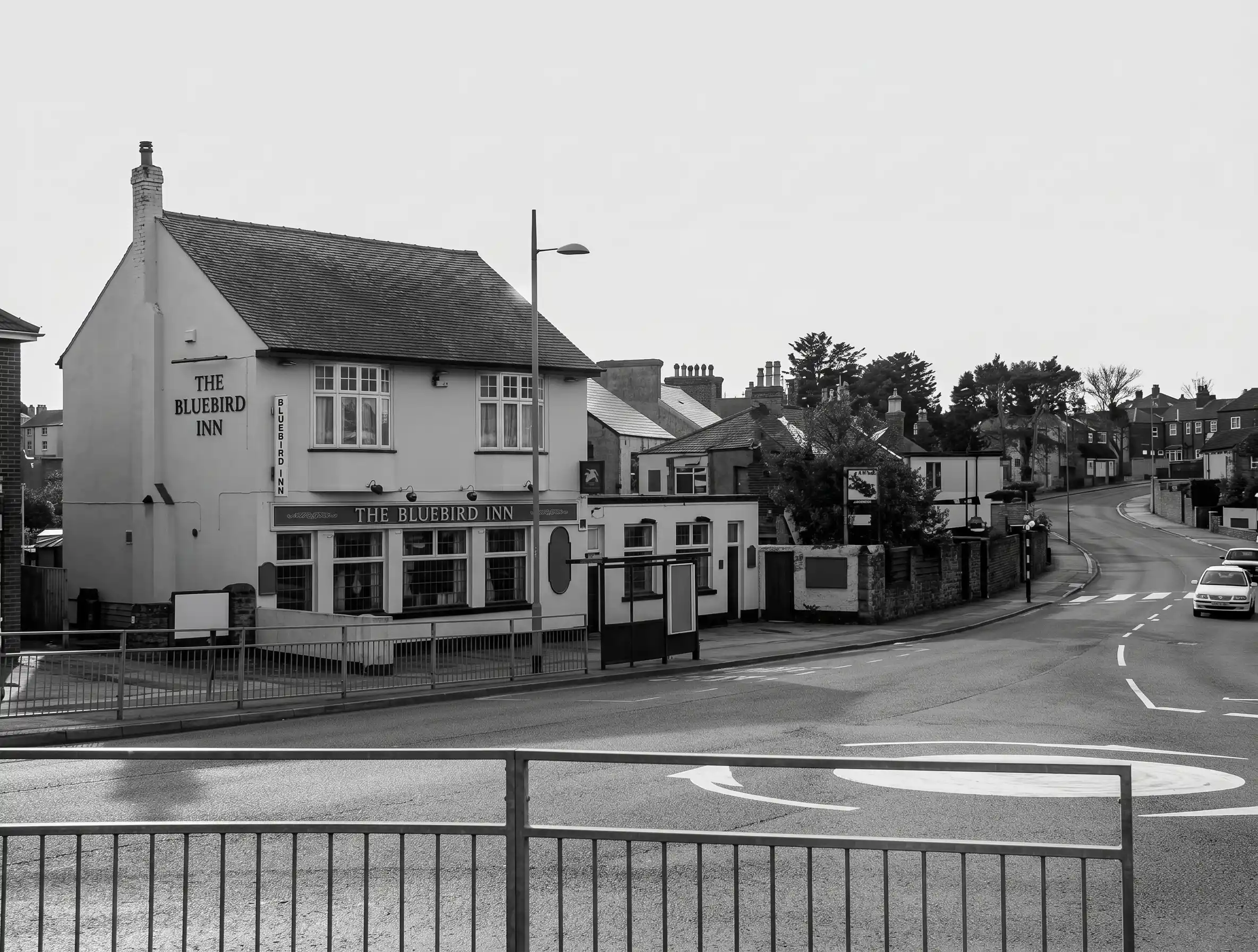
The Bluebird Inn

The Blue Bird on Eggbuckland Road originally began life as a tea house serving visitors to the nearby cemetery in Higher Compton. In 1944 it was granted a full licence transferred from the Washington Hotel in Millbay, one of the many Plymouth pubs lost during the Second World War, and reopened under landlord William Redman as a fully fledged public house.

At the time the surrounding area was still relatively open, with far less development than exists today. The pub took its name from the famous Bluebird land speed car driven by Sir Malcolm Campbell, with the vehicle itself appearing on the pub sign, giving the local a distinctive identity tied to speed and engineering rather than traditional pub naming.

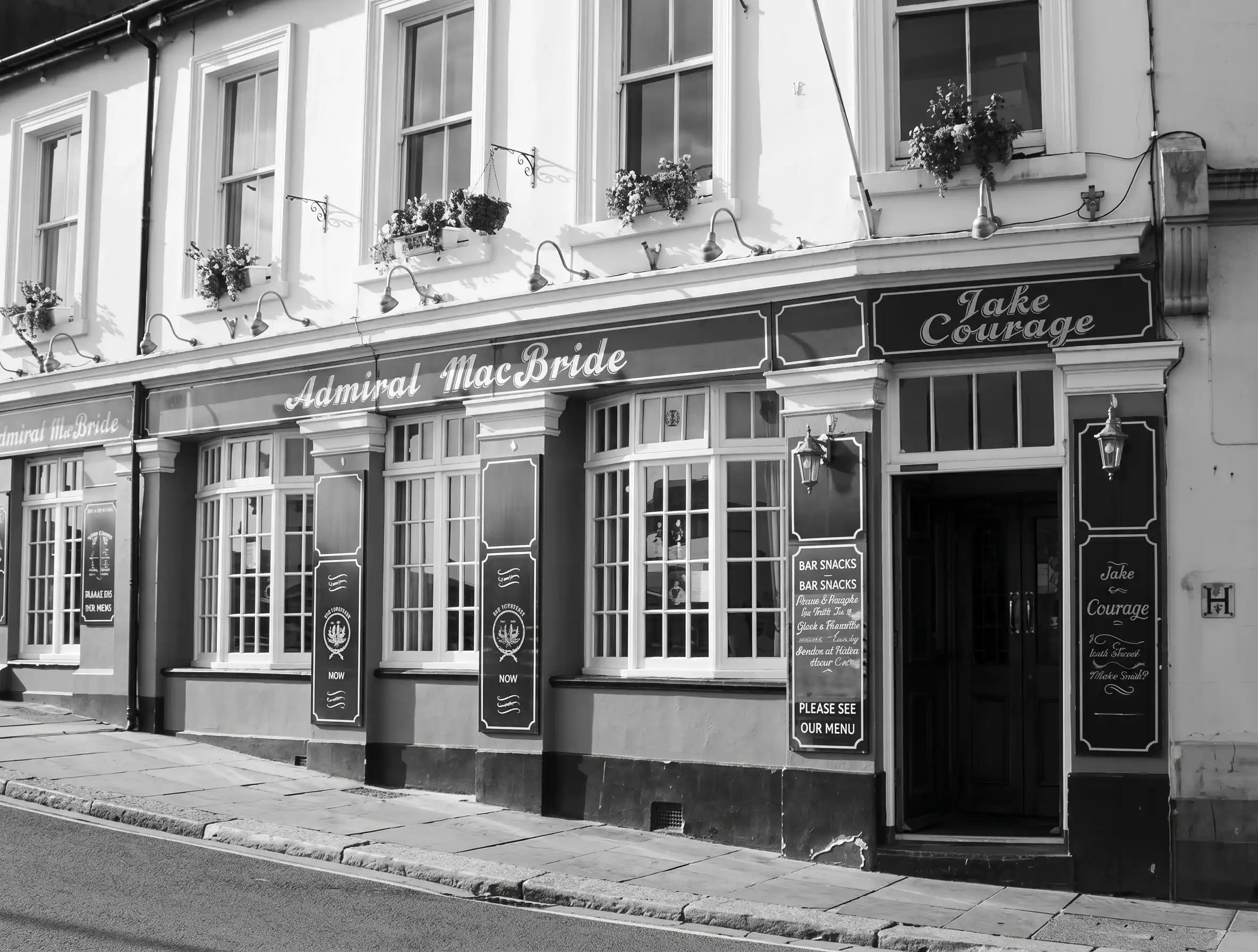
Admiral Macbride

The Admiral MacBride takes its name from Admiral John MacBride, the naval officer and former Plymouth MP who played a significant role in plans for improving Sutton Harbour during the late eighteenth century. The pub itself is thought to date from around the same period, standing on reclaimed land close to the waterfront and in an area deeply connected to Plymouth’s maritime history.

Its position has long fuelled suggestions that the original Mayflower Steps may once have stood somewhere nearby, adding another layer to the pub’s historical importance. Over the years, the Admiral MacBride became one of Plymouth’s most recognisable waterfront pubs, tied closely to the harbour, the sea, and the changing life of the Barbican.

Bristol Castle

The Bristol Castle on Duncan Street is believed to contain parts dating back to around 1645, originally forming part of a pair of cottages with stables and a hayloft above. Long before the surrounding area was redeveloped, it likely served travellers heading towards the ferry, with many believing it once operated as a coaching inn due to its position and layout.

Originally known as the Joiner’s Arms, the pub later became the Bristol Castle, possibly taking its name from stone reused from the remains of the original Bristol Castle after its demolition in the seventeenth century. While much of the surrounding street scene disappeared through redevelopment, the pub survived as one of the last visible reminders of the older streetscape that once existed there.

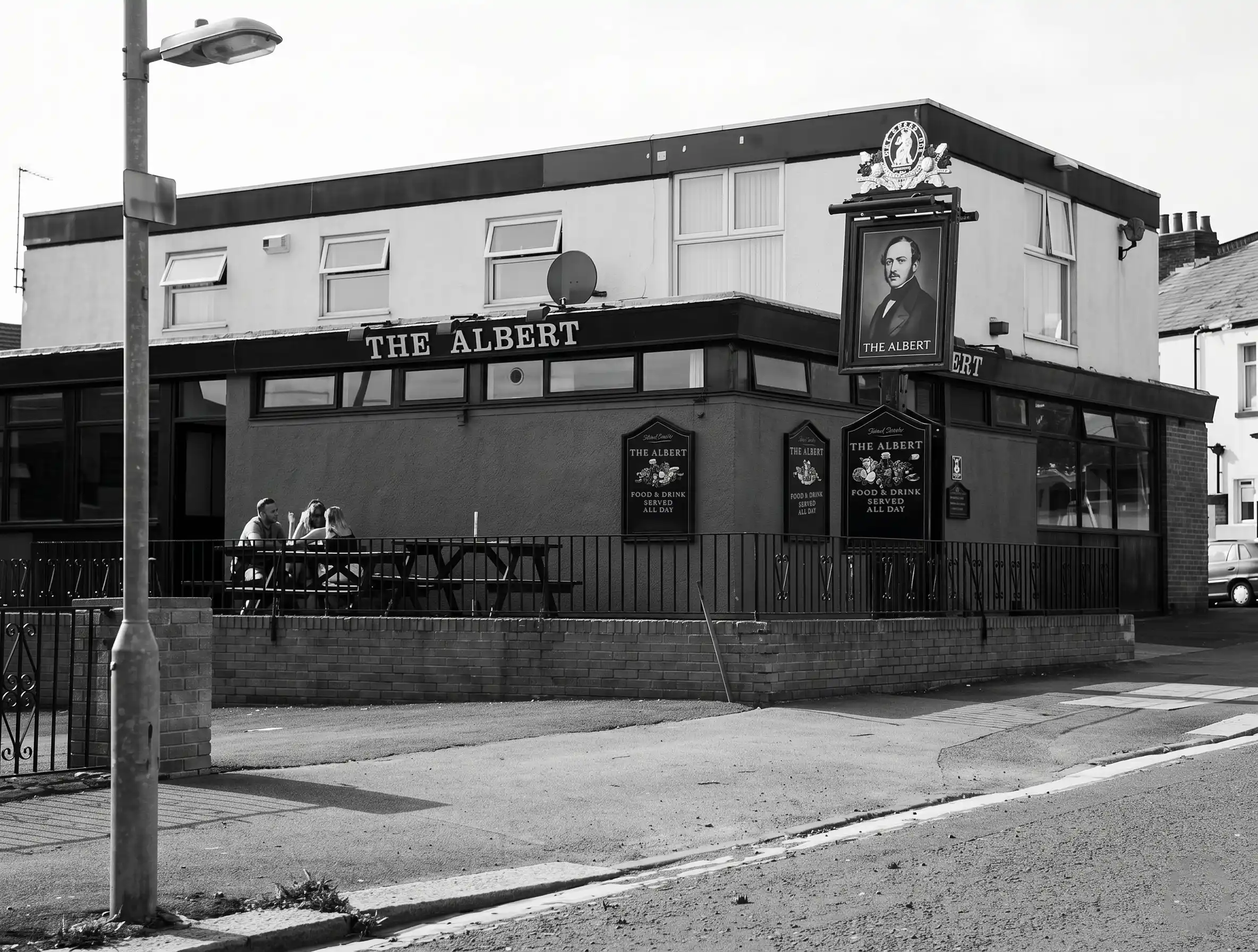
The Albert

The Albert stood on the site of the former Charlotte Street Ale and Porter House and first appeared under its new name in 1958 with Ophelia Evans becoming its first recorded licensee. Originally known as the Albert Gate, the pub took its name from a nearby entrance to the Keyham Steam Yard at the bottom of Albert Road, linking it closely to the dockyard and the working life of the surrounding area.

The name itself traces back to Prince Albert, Queen Victoria’s consort, though over time the “Gate” part quietly disappeared and the pub simply became known as The Albert. Like many Plymouth pubs, it became part of the rhythm of the local community, shaped by generations connected to the naval dockyard and the streets around it.

Bedford Vaults

The Bedford Vaults once stood slightly back from the main Eastlake Street entrance, on the corner of a small opening believed to have been known as Caxton Mews, linking through towards the stables off Old Town Street. By the 1890s it had become part of a busy and tightly packed part of Plymouth, surrounded by shops, traders, and everyday city life in an area that looked completely different to today.

Over time the pub passed through private ownership before being acquired by Starkey, Knight and Ford, eventually closing under Whitbread in July 1965. It was demolished soon afterwards as redevelopment swept through the area, with its former site eventually disappearing into the footprint of what became C&A and the wider changes to Plymouth’s city centre.

Camel’s Head

The Camel’s Head was built in 1825, likely to serve the men working on the new road being laid out from Plymouth towards the mouth of Camel’s Head Creek. For most of its life it carried the Camel’s Head name, becoming a familiar local landmark opposite Ferndale Road and beside an old cinema. In 1978 it was briefly renamed The Submarine in recognition of the naval and submarine activity connected to the creek, though the original name eventually returned after a decade.

Its story came to an end in 1988 when the road it had originally been built to serve was widened and the pub was demolished. The Camel’s Head represented a very typical Plymouth story, a pub closely tied to industry, transport, and the steady expansion of the city, eventually disappearing through redevelopment rather than decline.

Exploring Plymouth’s pub heritage

Plymouth has lost countless pubs through war damage, redevelopment, road expansion, and changing social habits, yet their history still matters. Every pub has its own story, whether tied to the dockyard, the Blitz, the railway, the waterfront, or everyday life in the surrounding streets.

By preserving these photographs and histories, we can keep part of Plymouth’s character alive and give future generations a glimpse into the pubs, people, and places that once defined the city.