Loading Cremyll Ferry times…

Plymouth on Tap

Plymouth on Tap

Last Orders (For Real This Time)

Plymouth’s lost a lot of pubs in recent years, some quietly, some suddenly, and some under the usual bullshit banner of “redevelopment.” These were places where people met, drank, argued, laughed, and occasionally fell asleep in the corner. Not all of them were beautiful. Not all of them were good. But they were ours. And they mattered more than anyone in a boardroom ever seems to understand. This page keeps track of the ones we’ve lost while the paint was still drying.

The Two Trees, Union Street

Built in 1957 and bulldozed in 2018, The Two Trees was a late-night legend on Union Street. Not fancy. Not flash. But always open and always full of people who didn’t want the night to end. It was a sailor’s staple, a local landmark, and a vital stop-off on the city’s most infamous crawl. Flattened in the name of “regeneration” that hasn’t actually happened, its absence is still felt every time you walk past the empty space where it once stood.

The Hub, Bath Street

Sweaty, loud, and deeply missed, The Hub was Plymouth’s live music heartbeat from 2005 to 2019. It hosted everyone from the Buzzcocks to Newton Faulkner and saw more tinnitus-inducing nights than most of Union Street put together. It wasn’t a pub, but it was a rite of passage and for a generation of locals and touring bands, it was one of the last venues that felt truly alive. Demolished with nothing decent put in its place. Criminal, really.

Admiral Stopford Arms, Devonport Road

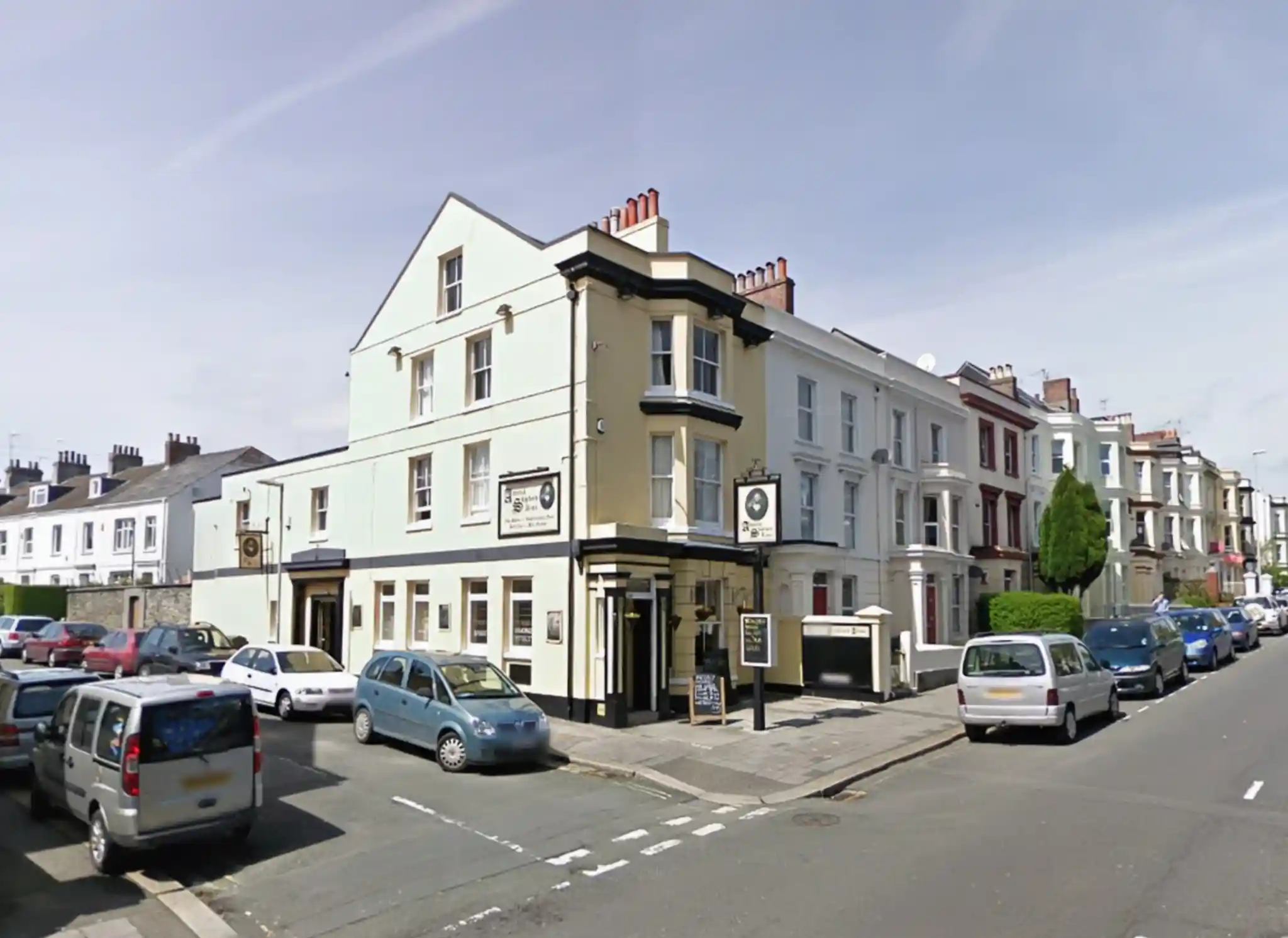
The Admiral Stopford, a traditional pub proudly run by the same family for over 50 years, offered a simple pint and good conversation, free of modern trends. Sold to a pub company in 2011, it closed soon after and was converted into a house by 2013. While now a quiet residence, you can almost sense the lingering echoes of its pub days.

Albert Gate, Charlotte Street

The Albert Gate was a no-frills, functional neighbourhood pub, known for its simple blue and white exterior, outdoor tables, reliable pint, and a loyal crowd who enjoyed a quiet match on the telly. It quietly closed around July 2010, was demolished two years later, and the site was redeveloped for affordable housing. Today, no physical trace of the Albert Gate remains, yet its painted walls, hanging sign, and its stubborn presence at the bottom of Charlotte Street are still remembered by those who knew it.

The Archer Inn, Archer Terrace

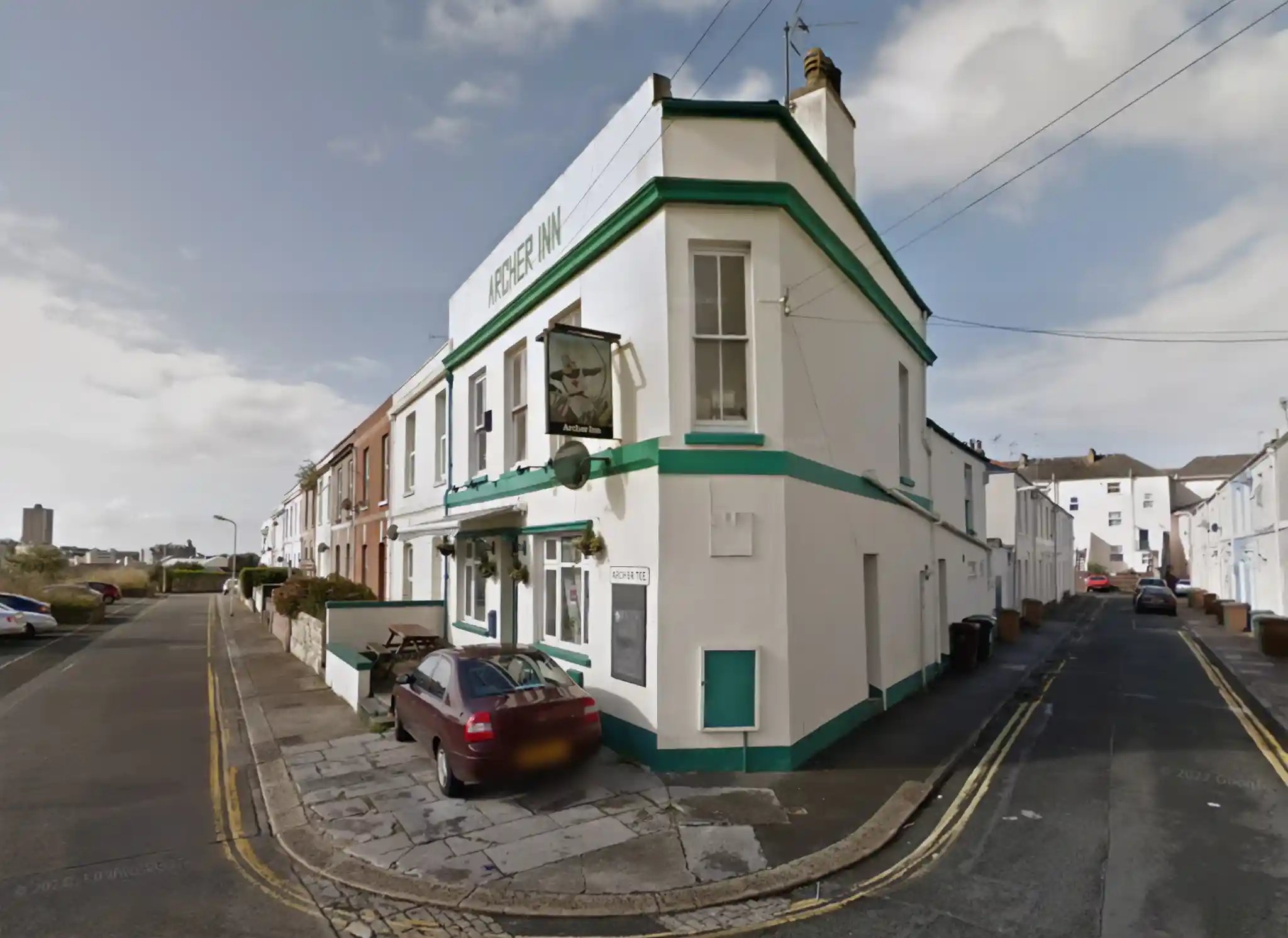
The Archer Inn was an honest, no-nonsense corner pub, identifiable by its white front and green trim, that served its regulars exactly what they wanted without pretense. When the landlord retired in May 2013, it quietly closed, and by early 2014, planning permission was granted to convert it into a shared house. Though the pub is gone, the building still retains its former shape from certain angles, and its name remains faintly on the wall, a subtle reminder for those who frequented it.

The Brit (Britannia Inn), Octagon Street

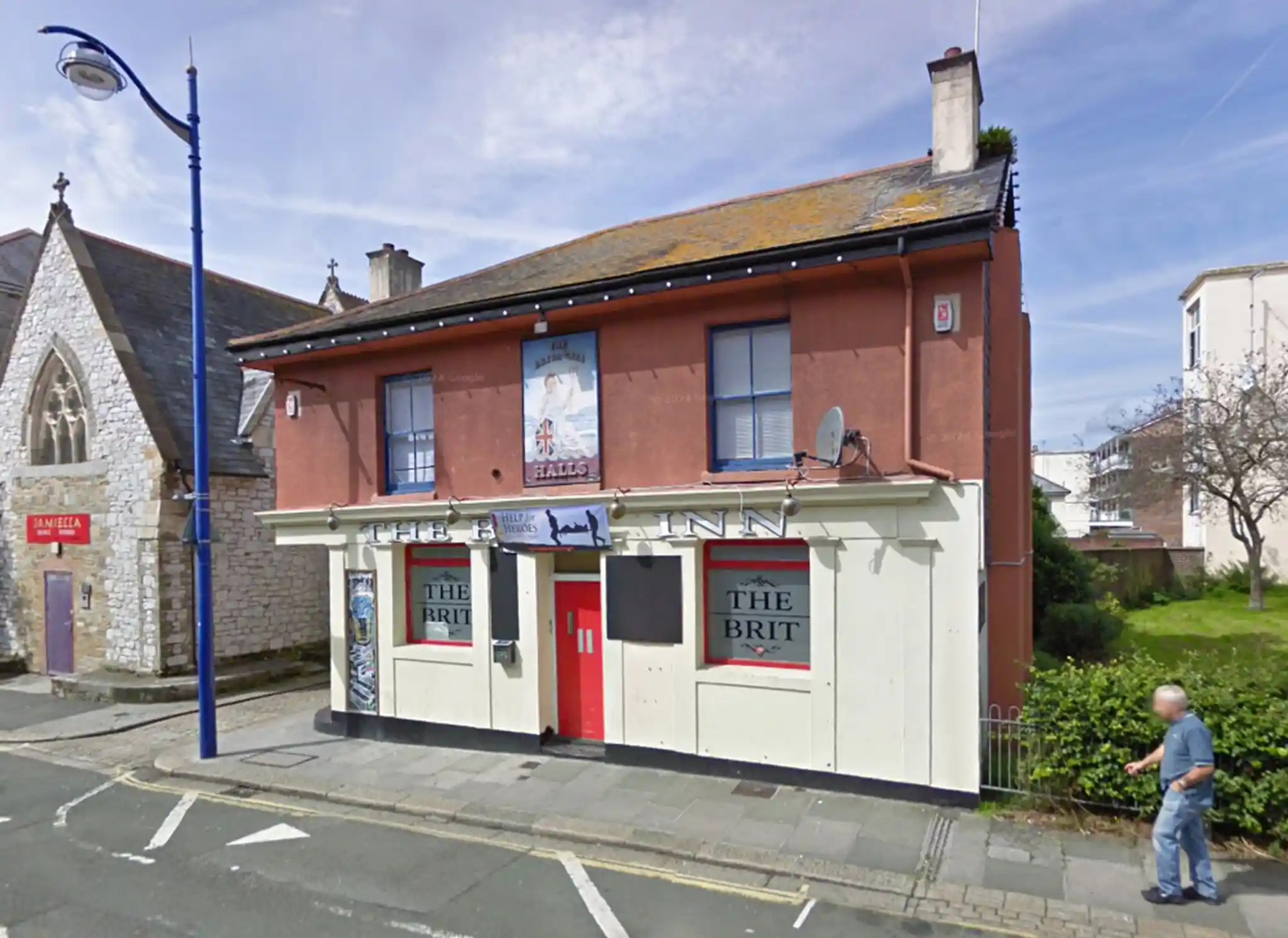
The Brit, a modest but robust backstreet boozer on Octagon Street, was known for its tidy frontage, lively interior, and a strong sense of identity. Without much fanfare, the pub surrendered its license and, by 2012, was transformed into a community center—an unexpected but fitting evolution for a place that served its neighbourhood. Although no longer pulling pints, the building’s unmistakable pub structure remains, hinting at past echoes of snooker games and lively chatter.

The Butchers Arms, Cremyll Street

Wedged near the Royal William Yard, the Butchers Arms was a humble pub that proudly wore its age, known only to those who sought it out. It closed in 2012, was sold at auction, and by 2017, reopened as Hutong Café, trading pints for artisan coffee and sourdough with a backdrop of jazz. Despite the modern transformation, the old canopy remains, and the ghost of the Butchers Arms still seems to linger, a quiet reminder of its former life.

Cornwall's Gate, Normandy Way

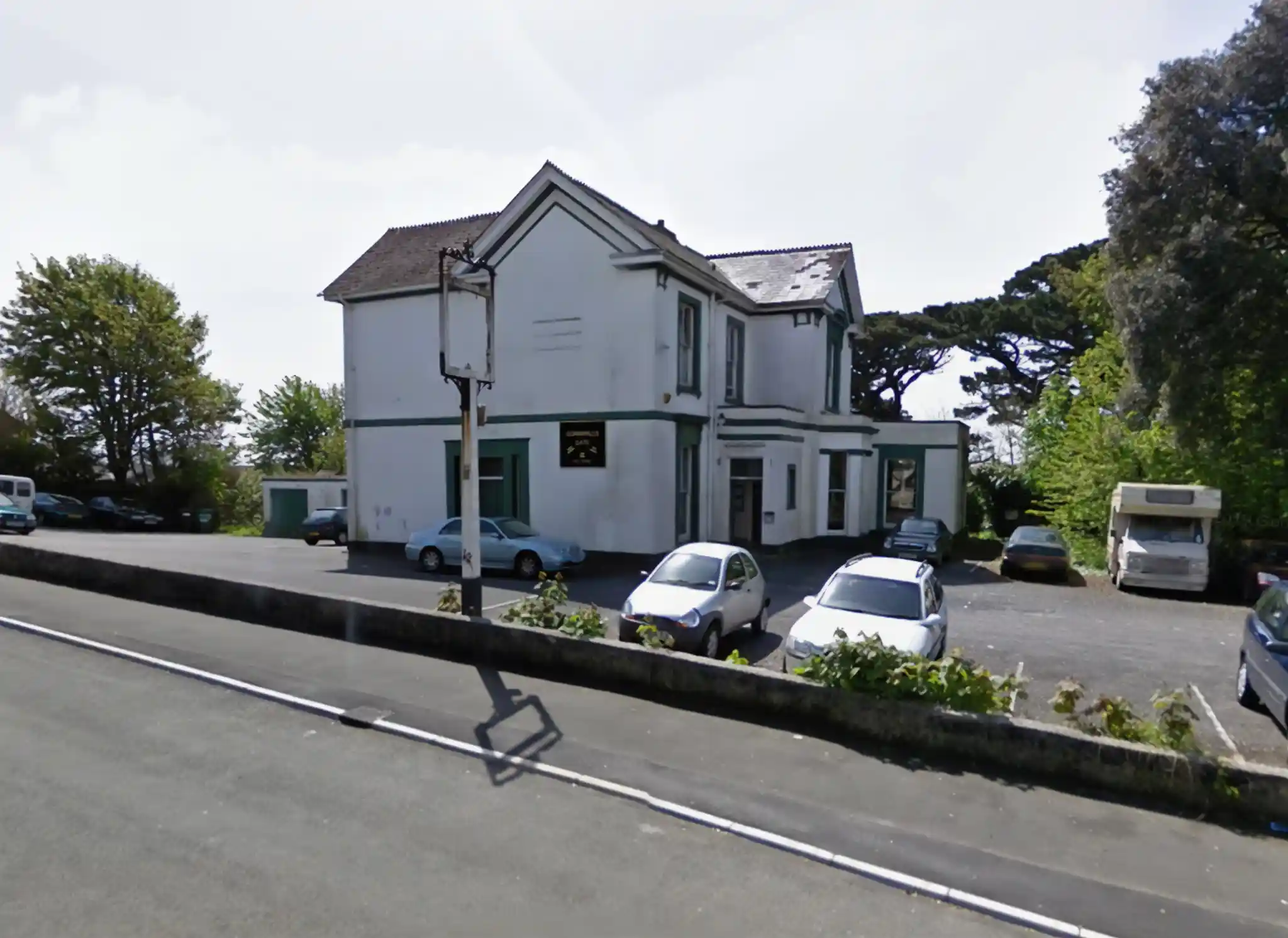
Cornwall’s Gate, an unassuming estate pub, offered locals and railway men simple pints and honest conversation with views of Brunel’s bridge. It quietly closed around 2012, followed by two planning applications; the second, for 14 homes, was approved. By mid-2013, the pub was demolished to make way for new housing. Today, only those who remember can recall the sloped car park, the sounds of football, and distant train horns that once accompanied a pint at Cornwall’s Gate.

Crown Hotel, Cumberland Street, Devonport

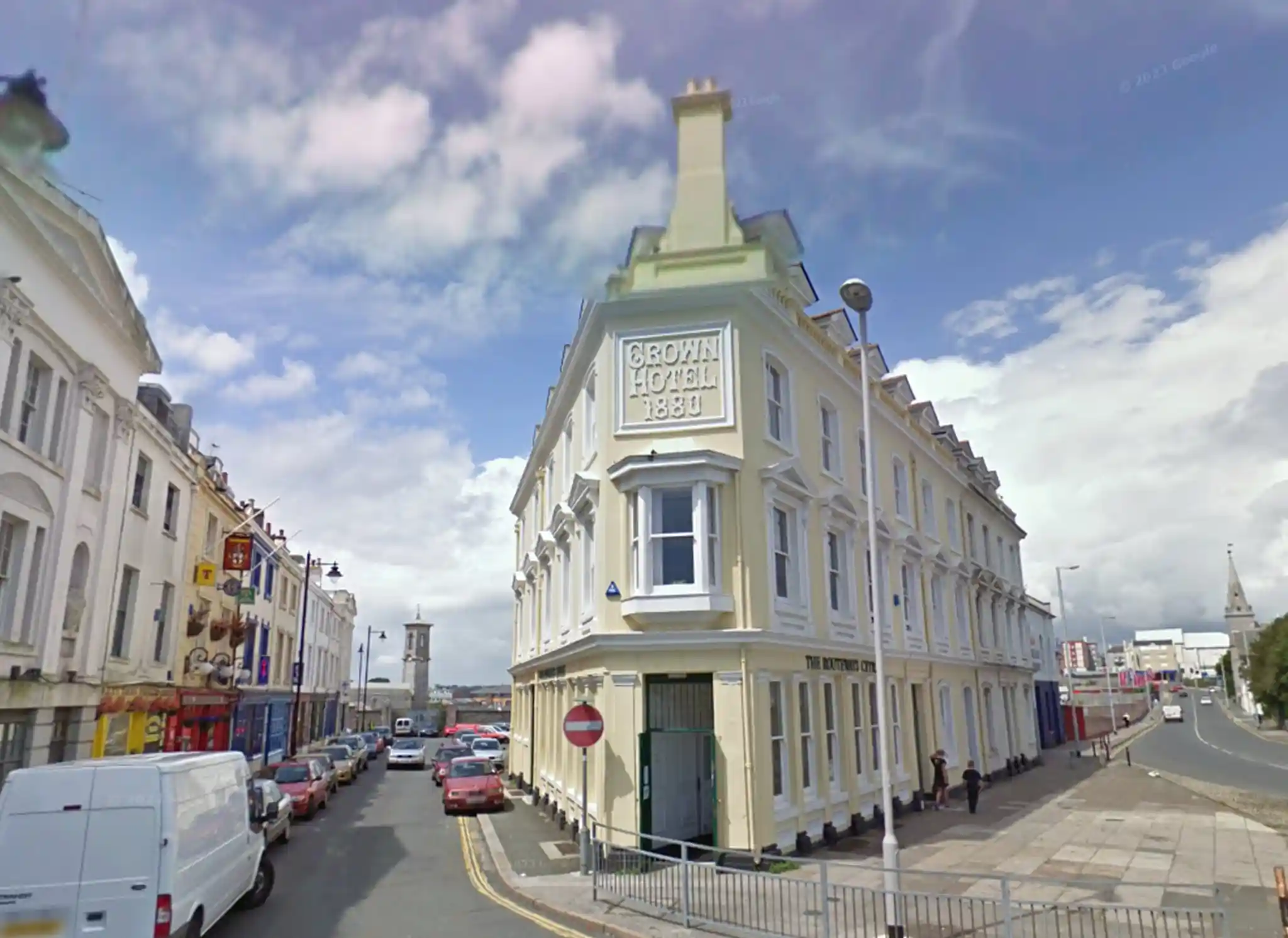
The Crown Hotel, standing proudly on Cumberland Street since its 1880 rebuild (from a 1790s original), once served as a lively gateway pub to Plymouth Dock, hosting naval officers and a boisterous clientele. By the 1980s, its cellar bar, featuring Courage Heavy, drew squaddies, dockers, and regulars. Today, it operates as the Terra Nova Café, offering coffee and brunch, but the building’s original “Crown Hotel 1880” lettering still proudly hints at its rich, storied past.

Crown & Column, Ker Street

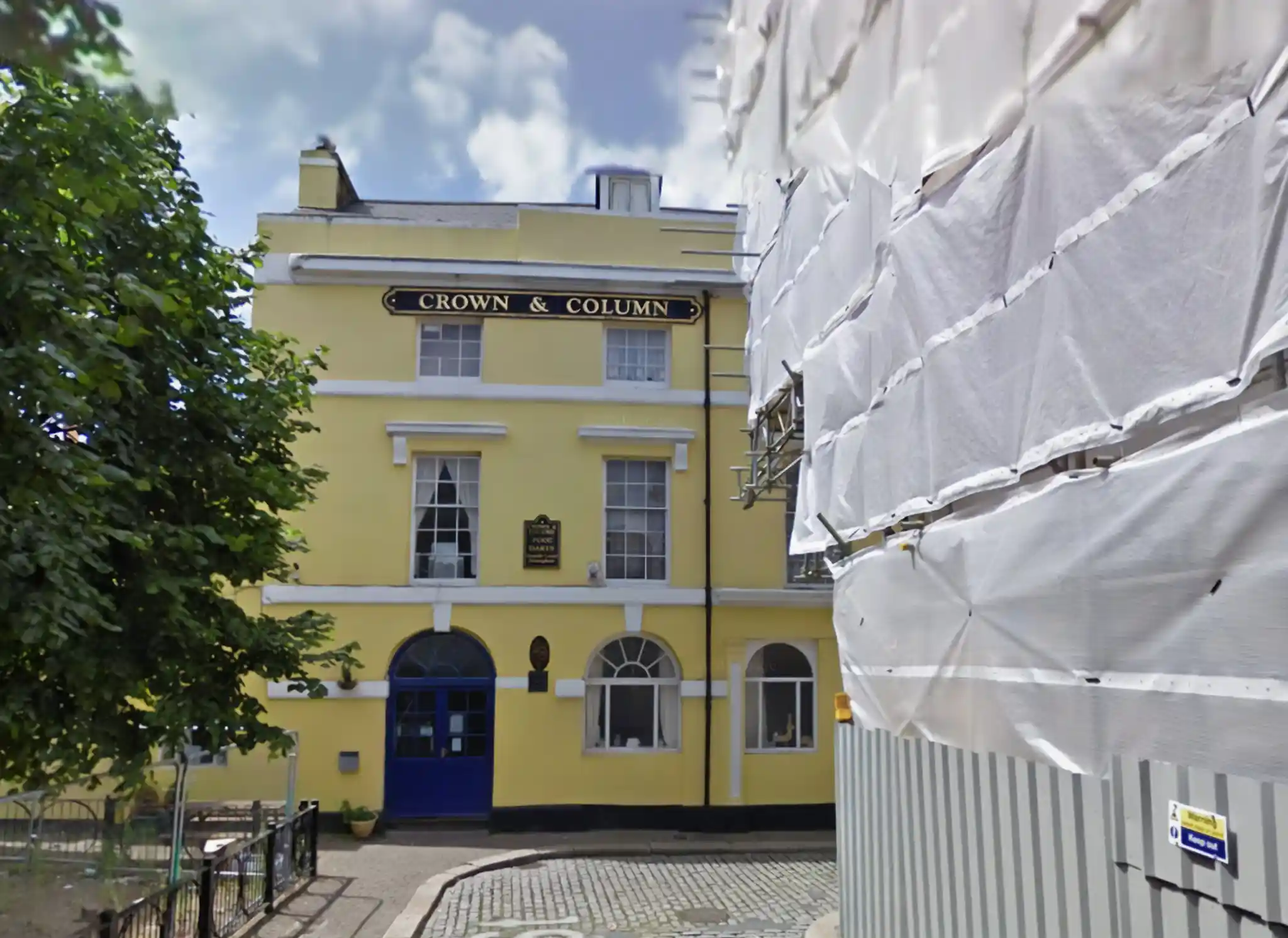
The Crown & Column, originally built for dockyard stonemasons, was a proud, age-worn pub on Ker Street with distinctive yellow walls and a deep blue door. Little is known of its final years, but it quietly closed by November 2015. A couple of years later, permission was granted to convert the building into two flats, erasing a place once filled with workers’ stories and laughter, leaving only its name faintly on the wall as a reminder.

The Falcon, Melville Road

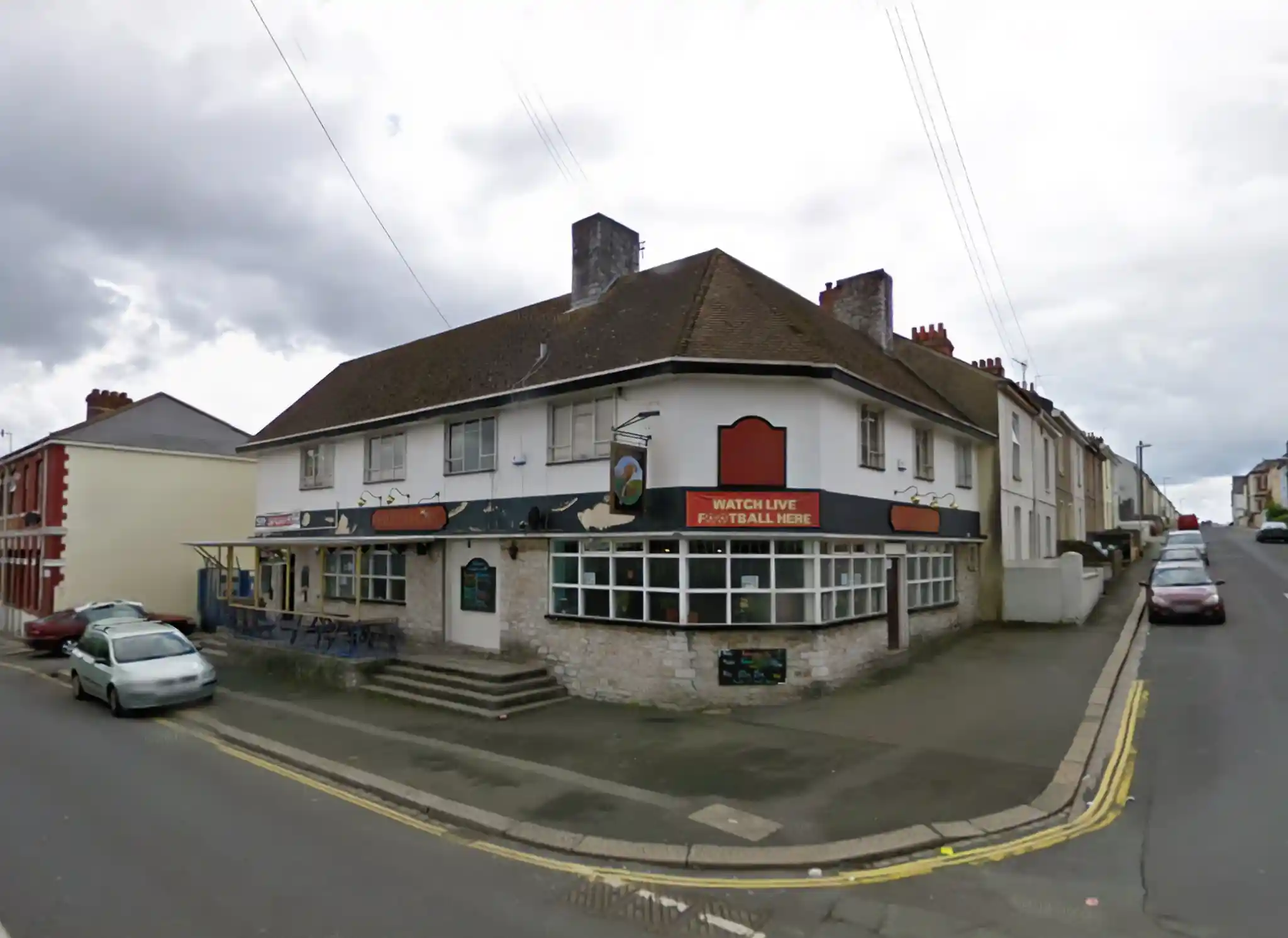
Easily spotted by its stone frontage and bold signage, The Falcon was a no-nonsense pub known for football on big screens and fast-poured pints. It briefly reopened in 2012 after an initial closure but was permanently shut by early 2014, eventually converting into two family homes. Though its shape still hints at its past, The Falcon is another community pub lost, yet fondly remembered by those who once watched a game there.

The Fellowship Inn, Trevethick Road

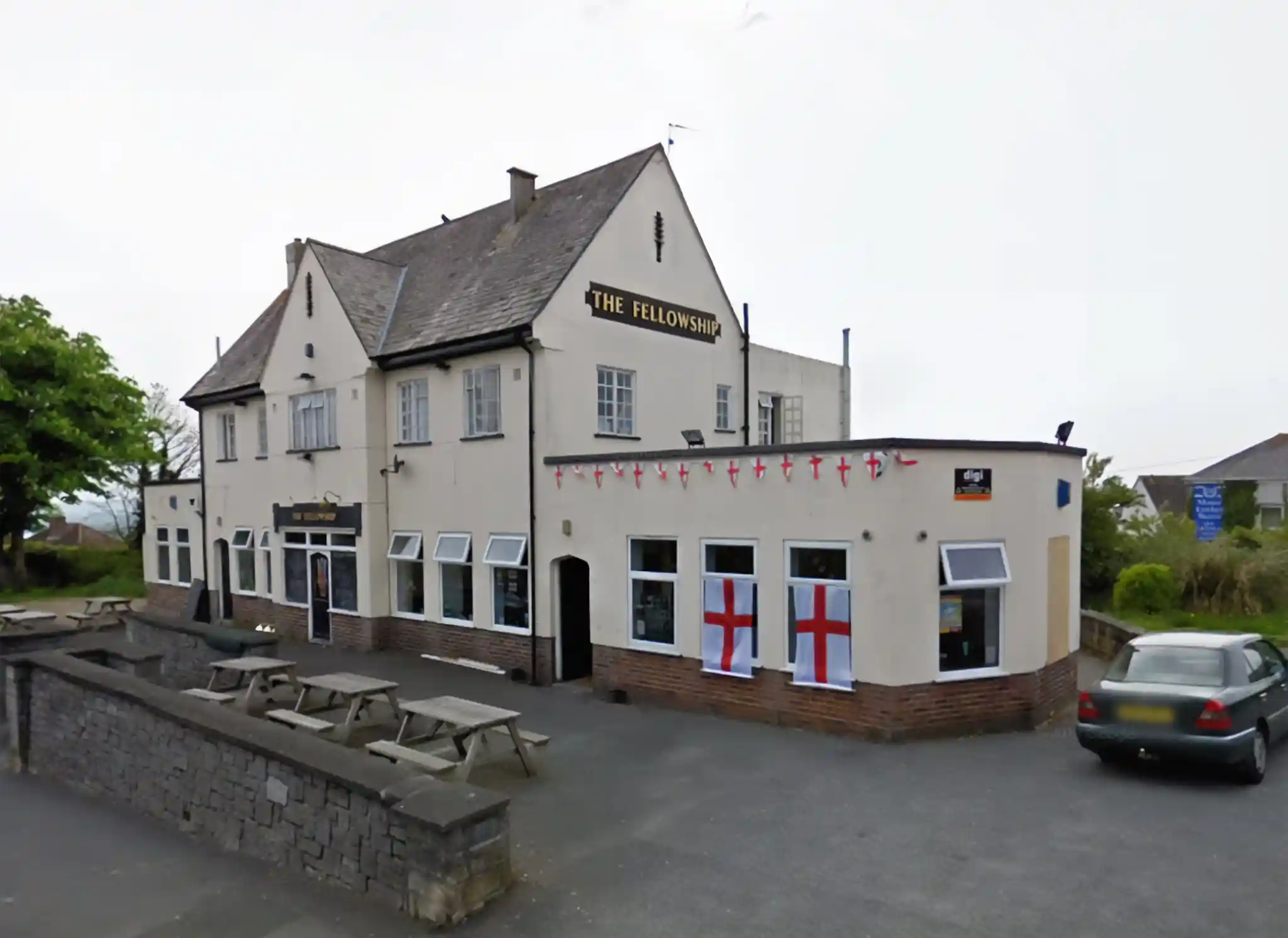
The Fellowship Inn, a large and bold estate pub, served as a no-nonsense local spot where regulars enjoyed pints, darts, and a lively beer garden. By 2010, plans to demolish it for ten new homes were approved, and the pub was swiftly flattened in 2011, leaving no trace. Though physically gone, the vibrant memories of the Fellowship Inn, with its noise, laughter, and sense of community, persist for its former regulars.

First and Last, Exeter Street

Prominently located on Exeter Street, The First and Last lived up to its name, serving for years as the initial stop into the city and the final one before heading home. After losing its pub license, it briefly reopened as a restaurant offering carveries, but this too didn’t last, leaving the building silent. Now, it stands as a shell of its former self, a silent sentinel watching traffic, its vibrant past a faded memory to all but a few.

Francis Arms, Francis Street

The Francis Arms, a quiet backstreet pub, offered a simple retreat for locals with its unpretentious beer, conversation, and television. It closed without fanfare in late 2012, and by spring 2013, was quickly converted into a residential home. Despite its quiet end and transformation, the dark-painted frontage and comforting familiarity of the Francis Arms remain vivid memories for those who once frequented its welcoming doors.

The Friendship Inn, Amity Place

A proper corner pub with a loyal crowd, The Friendship Inn was the kind of place that never needed to shout about itself. Known for its pool table and a decent pint of real ale, it stood quietly on the edge of town life, steady and familiar. Despite being listed as an Asset of Community Value, it closed its doors in June 2014 after nearly two decades under the same landlord. Locals and the city’s CAMRA branch fought to save it, but the decision went against them, and plans to turn the building into flats were eventually approved. Once a gathering spot for regulars who knew each other by name, The Friendship now lives on only in memory, another lost piece of Plymouth’s pub map.

The Haddington, Benbow Street

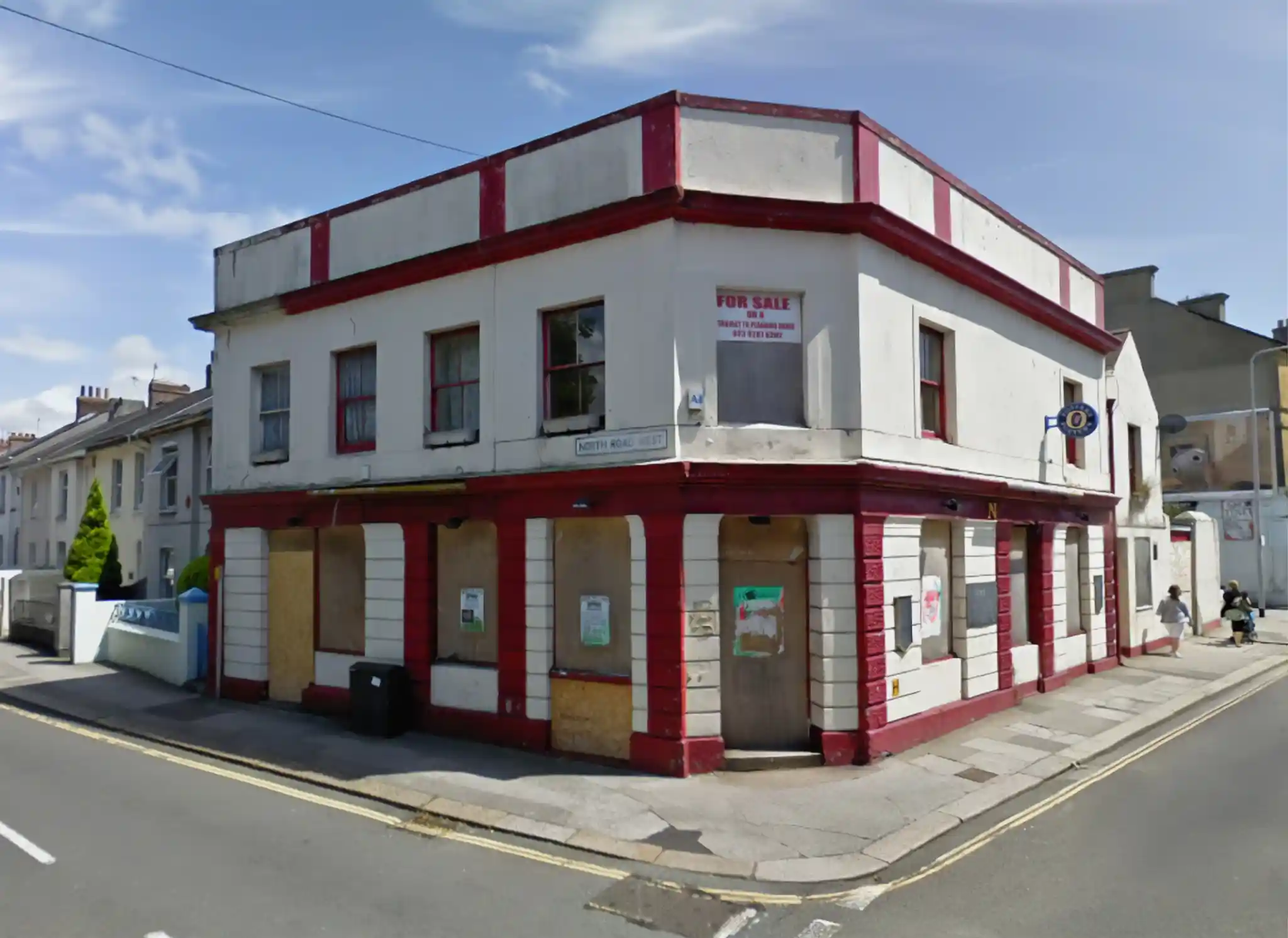
Tucked away in Keyham, The Haddington was a quiet, unassuming local pub that never sought wider recognition. It closed unceremoniously in 2012, remaining vacant with a “For Sale” sign for years until finally gaining permission in 2016 to be converted into two upstairs flats. Though it disappeared without fanfare, this unpretentious corner pub is subtly missed by those who lived nearby, having simply faded into the fabric of the street.

Half Moon Inn, Pembroke Street

The Half Moon Inn, established in the late 1790s, has endured for centuries, quietly surviving monarchs and wars. In 1997, it transitioned from a pub to a café, and then in 2017, rebranded as Dinky Diner Dartsworld Café, trading pints for coffee and dartboards. Though it no longer serves real ale and has inconsistent hours, its enduring structure and continued presence, offering a place for darts and reflection, suggest it stubbornly refuses to fully disappear, remaining half-pub by nature.

Hill Park Inn, Greenbank

The Hill Park Inn, an unmistakable, angular pub with a curious watchtower on Hill Park Crescent, was one of Greenbank’s early structures, said to have once housed the prison governor. Never trendy, this gutsy two-bar boozer championed local ale, becoming Plymouth’s first pub to permanently serve Sharp’s Doom Bar in the mid-’90s. However, with changing licensees, it shut its doors in 2011, eventually converting into student flats. Despite its transformation, the distinctive tower remains, a silent observer of its past life.

The Mutley Crown, Mutley Plain

The Mutley Crown, a proud yet unpretentious pub known for cheap drinks and boisterous nights, abruptly closed its doors in 2012 without fanfare. By March 2013, it had been swiftly converted into a Sainsbury’s Local, replacing the bar with a shopfront and ATM. Despite no planning objections or public outcry, its transformation marked a quiet loss on Mutley Plain, leaving echoes of weekend madness beneath the linoleum and a sense of occasional longing for its former life.

No Place Inn, Stonehouse

The No Place Inn, a pub with nearly two centuries of history, stood stubbornly on Stoke Road, seemingly existing out of step with the changing world around it. This unpretentious working-class boozer, run by the Dodd family for almost 80 years, never sought fame but offered a quiet haven. Despite a historical near-miss with a railway station that could have secured its future, punters eventually drifted away, and the pub closed its doors for good in 2010, now lost but not forgotten.

Pennycomequick, by the roundabout

The Pennycomequick, once a prominent corner pub by its namesake roundabout, closed its taps in 2011 and was swiftly converted into student flats by 2012, though its golden lettering still subtly marks its past. Most say it comes from the Cornish Pen y cum gwik, meaning “the head of the valley of the creek.” As a part of an area rich in history, once home to prisons and barracks, the pub served as a temporary escape from the world, and its former presence can still be felt by those who pass by.

The Town House, Harwell Street

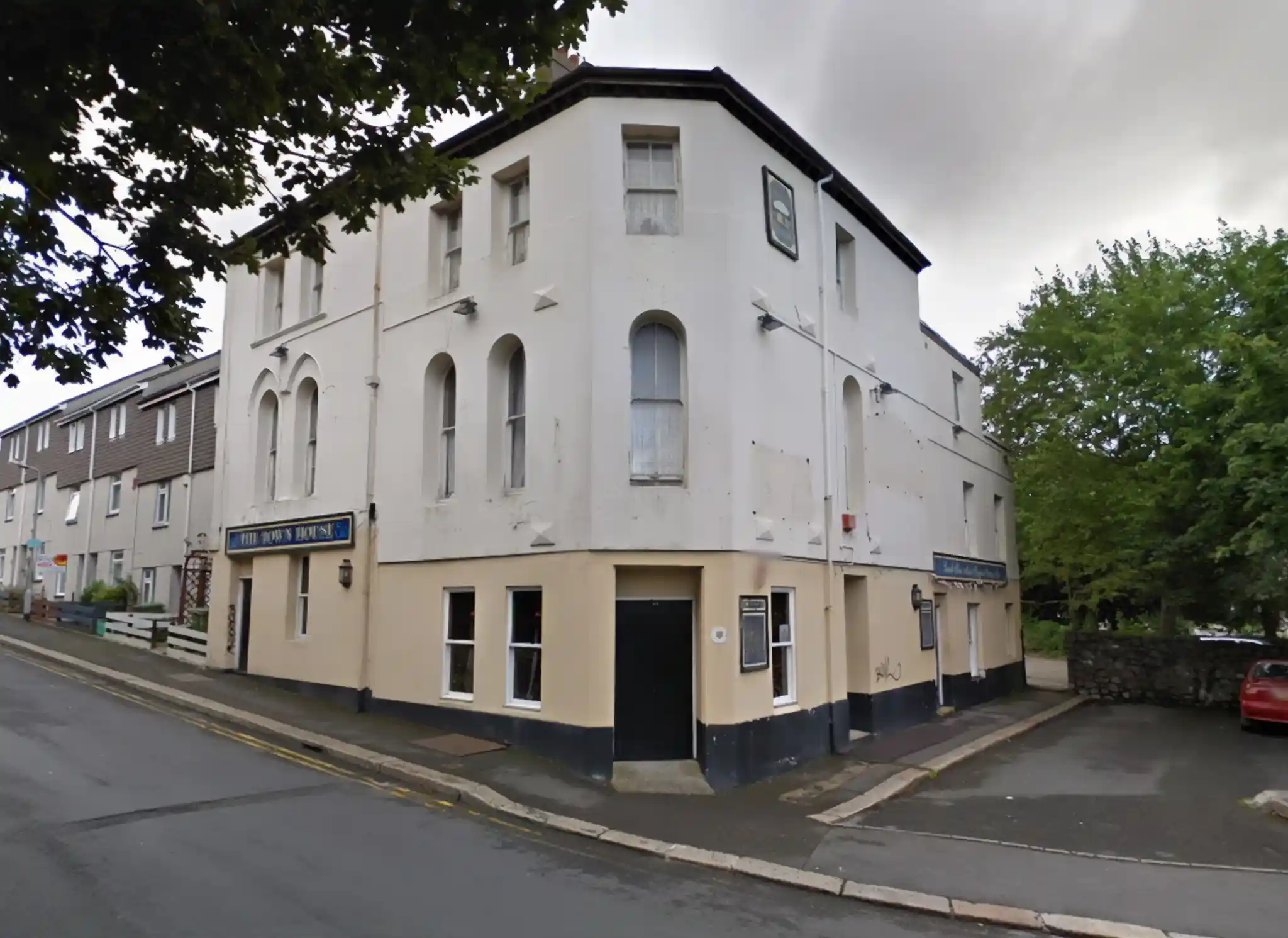
The Town House, a humble locals’ pub tucked just off the main road, quietly served Courage Best Bitter, resisting three demolition attempts between 2010 and 2011. However, by July 2012, it finally closed its doors for good. By summer 2013, the pub had been transformed into 16 student cluster flats and bedsits, silencing its jukebox and darts, leaving only a faint echo for those who remember its former life.

Gone. Not Forgotten. Not Forgiven, Either.

Every closed pub leaves a little gap in the map and a bigger one in the community. If you’ve got a story, a photo, or even a scrap of beer mat from one of these places, send it in. I’ll keep adding to this list until they stop getting away with it. Or until I run out of bitter.